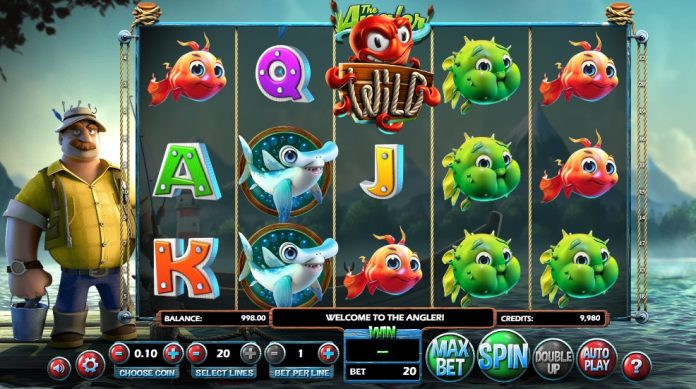
Cautionary_tales_emerge_from_the_captivating_world_of_a_chicken_road_game_casino
 By
By
- Cautionary tales emerge from the captivating world of a chicken road game casino experience
- The Mechanics and Appeal of the Game
- The Role of Variable Rewards
- Financial Risks and Compulsive Behavior
- Identifying Problematic Gaming Patterns
- The Role of Regulation and Responsible Gaming
- Steps Towards Responsible Gameplay
- The Future of Gamified Gambling
- Navigating the Evolving Digital Landscape
Cautionary tales emerge from the captivating world of a chicken road game casino experience
The allure of the casino often draws people in with promises of quick riches and exhilarating entertainment. Within this realm, a particularly curious phenomenon has gained traction – the chicken road game casino. This isn't a game involving actual chickens crossing a road, but rather a digital simulation, often presented as an arcade-style game, that blends elements of chance, skill, and a surprisingly addictive gameplay loop. It's a modern take on classic gambling mechanics, dressed up in a playful, often cartoonish, aesthetic, and represents a fascinating corner of the online gaming world.
However, beneath the surface of colorful graphics and playful sounds lies a complex web of psychological triggers and potential pitfalls. The seemingly harmless nature of the game can easily mask the very real risks associated with gambling, leading to compulsive behavior and financial hardship. Understanding the appeal, the mechanics, and the potential dangers of this type of game is crucial for anyone considering participating, or for those concerned about loved ones who might be drawn into its captivating, yet potentially damaging, embrace. It's a landscape where entertainment and risk intersect, demanding a cautious and informed approach.
The Mechanics and Appeal of the Game
At its core, the chicken road game casino is based on simple principles of probability and timing. Players typically control a character, often a cartoon chicken, navigating a busy road filled with obstacles – cars, trucks, and other hazards. The goal is to cross the road successfully, earning points or virtual currency with each successful crossing. The longer the chicken survives, the higher the reward. This core mechanic scratches a primal itch – the thrill of taking calculated risks. Each attempt presents a new set of challenges, creating a dynamic and engaging experience. The game's simplicity is deceptive, however. While initially appearing easy, the increasing speed and complexity of the obstacles demand quick reflexes and strategic thinking. This learning curve and constant challenge contribute significantly to its addictive nature.
Furthermore, most versions of the game incorporate elements of progression, allowing players to unlock new characters, customize their chicken’s appearance, or gain access to special abilities. These reward systems tap into the brain's dopamine pathways, creating a sense of accomplishment and encouraging further play. The virtual currency earned can often be used to purchase these enhancements, or even to “bet” on future crossings, adding a layer of gambling to the experience. This is where the line between harmless entertainment and potentially harmful gambling behavior becomes blurred. The game cleverly disguises the risk involved, presenting it as a fun and engaging activity rather than a form of wagering. The bright colors, cheerful sound effects, and simple gameplay further contribute to this deceptive appeal, particularly for younger audiences.
The Role of Variable Rewards
A key psychological principle at play is the use of variable rewards. Unlike games that offer consistent payouts, the chicken road game casino provides rewards on an unpredictable schedule. Sometimes a player might succeed for several rounds in a row, accumulating a significant amount of virtual currency. Other times, they might be eliminated almost immediately. This unpredictability is what makes the game so compelling. The brain is wired to seek out and respond to novelty, and the anticipation of a potential reward is often more stimulating than the reward itself. This is the same mechanism that drives addiction in other contexts, such as slot machines and lottery tickets. The intermittent reinforcement provided by the game keeps players hooked, constantly hoping for that next big win. This is amplified by the social aspects often integrated into these games, where players can compare scores and compete with friends, further enhancing the addictive potential.
| Feature | Impact on Player Behavior |
|---|---|
| Simple Gameplay | Easy to learn, quick to play, accessible to a wide audience |
| Variable Rewards | Creates addictive loops and encourages continued play |
| Progression System | Provides a sense of accomplishment and motivates players to invest time |
| Social Competition | Enhances engagement and adds a competitive element |
The design of these games is often carefully crafted by developers who understand these psychological principles. The goal is not necessarily to defraud players, but rather to maximize engagement and revenue. However, the line between responsible game design and exploitative practices can be thin, and the potential for harm is very real.
Financial Risks and Compulsive Behavior
The most obvious risk associated with the chicken road game casino, and similar games, is the potential for financial loss. While the initial investment might seem small, the cumulative effect of repeated bets can quickly add up. Many games allow players to purchase virtual currency with real money, blurring the lines between virtual and real-world finances. This can be particularly dangerous for individuals struggling with impulse control or pre-existing gambling problems. The game's accessibility – often available on mobile devices – makes it easy to play anytime, anywhere, further increasing the risk of impulsive spending. The perceived lack of “real” money involved can also create a false sense of security, leading players to underestimate the financial consequences of their actions. It's easy to fall into the trap of chasing losses, believing that the next bet will recover previous ones.
Beyond the financial risks, compulsive gaming can also have a significant impact on other areas of a person’s life. Excessive gaming can lead to social isolation, neglecting personal relationships, and decreased productivity at work or school. It can also contribute to feelings of anxiety, depression, and guilt. The constant stimulation and dopamine release associated with the game can disrupt brain chemistry, making it difficult to experience pleasure from other activities. Recognizing the signs of compulsive gaming is crucial for both individuals and their loved ones. These signs include spending increasing amounts of time playing the game, neglecting responsibilities, lying about gaming habits, and experiencing withdrawal symptoms when unable to play. Seeking professional help is often necessary to overcome compulsive gaming behavior.
Identifying Problematic Gaming Patterns
Recognizing when a casual interest in a game like the chicken road game casino has crossed the line into problematic behavior is key. Some key indicators include consistently spending more money or time on the game than intended, experiencing feelings of guilt or shame after playing, lying to others about gaming habits, and neglecting other important life areas, such as work, school, or relationships. If you find yourself constantly thinking about the game, even when you're not playing it, or if you feel irritable or restless when you're unable to play, these are also red flags. It’s important to remember that occasional engagement with the game isn’t necessarily problematic; it’s the pattern of behavior and the negative consequences that indicate a potential issue. Honest self-assessment and seeking support from friends, family, or a therapist can be invaluable in addressing these concerns.
- Monitor your spending on the game.
- Set time limits for gameplay.
- Prioritize real-world responsibilities.
- Be honest with yourself and others about your gaming habits.
- Seek help if you feel unable to control your gaming behavior.
Successfully managing these risks requires a multifaceted approach, encompassing both individual responsibility and industry regulation.
The Role of Regulation and Responsible Gaming
Currently, the regulatory landscape surrounding these types of games is often unclear and inconsistent. While traditional casinos are subject to strict regulations, the same level of oversight doesn’t always apply to online games that incorporate gambling-like mechanics. This lack of regulation creates opportunities for unethical practices and leaves players vulnerable to exploitation. There is a growing call for stricter regulations to protect consumers, requiring game developers to be more transparent about the odds of winning, to implement features that promote responsible gaming, and to prevent underage gambling. These regulations could include age verification measures, deposit limits, and self-exclusion options.
However, regulation alone is not enough. Responsible gaming initiatives, both by game developers and by players themselves, are also essential. Game developers should prioritize designing games that are fun and engaging without relying on manipulative tactics. They should also provide clear warnings about the risks of gambling and offer resources for players who are struggling with compulsive behavior. Players, on the other hand, should practice responsible gaming habits, such as setting limits on their spending and time, and avoiding chasing losses. Education is also crucial, raising awareness about the potential dangers of these games and empowering players to make informed decisions. Furthermore, providing accessible and affordable support services for those affected by gambling addiction is vital.
Steps Towards Responsible Gameplay
Taking a proactive stance towards responsible gameplay is paramount. Here's a framework of steps to consider:
- Set a Budget: Before you start, decide how much money, if any, you are willing to spend on the game, and stick to it.
- Time Limits: Establish daily or weekly time limits for gameplay to prevent excessive engagement.
- Avoid Chasing Losses: Recognize that losing is part of the game, and resist the urge to spend more money to recover lost funds.
- Be Mindful of Your Emotions: If you are feeling stressed, anxious, or depressed, avoid playing the game, as it can exacerbate these feelings.
- Seek Support: If you are struggling to control your gaming habits, reach out to friends, family, or a professional counselor.
The Future of Gamified Gambling
The trend of “gamifying” gambling is likely to continue, as developers seek new ways to attract and retain players. We can expect to see more games that blur the lines between traditional gambling and skill-based gaming, incorporating innovative mechanics and immersive experiences. Virtual reality and augmented reality technologies could further enhance the sense of immersion, making these games even more compelling. This presents both opportunities and challenges. On the one hand, gamification can make gambling more accessible and enjoyable for some. On the other hand, it also increases the risk of exploitation and addiction, particularly for vulnerable individuals. Adapting to this evolving landscape requires ongoing vigilance and a commitment to responsible innovation.
Navigating the Evolving Digital Landscape
The integration of these casino-style games within broader digital entertainment platforms signals a significant shift. Parents, educators, and policymakers are grappling with how to address the potential harms, especially concerning youth exposure. Open communication about the risks associated with these games is essential, as is promoting media literacy. A heightened awareness of persuasive game design techniques can help individuals make more informed choices. Going forward, a collaborative effort involving developers, regulators, and advocacy groups will be crucial to ensuring a safer and more responsible gaming environment, one that prioritizes player well-being without stifling innovation. The key lies in finding a balance between entertainment and protection.